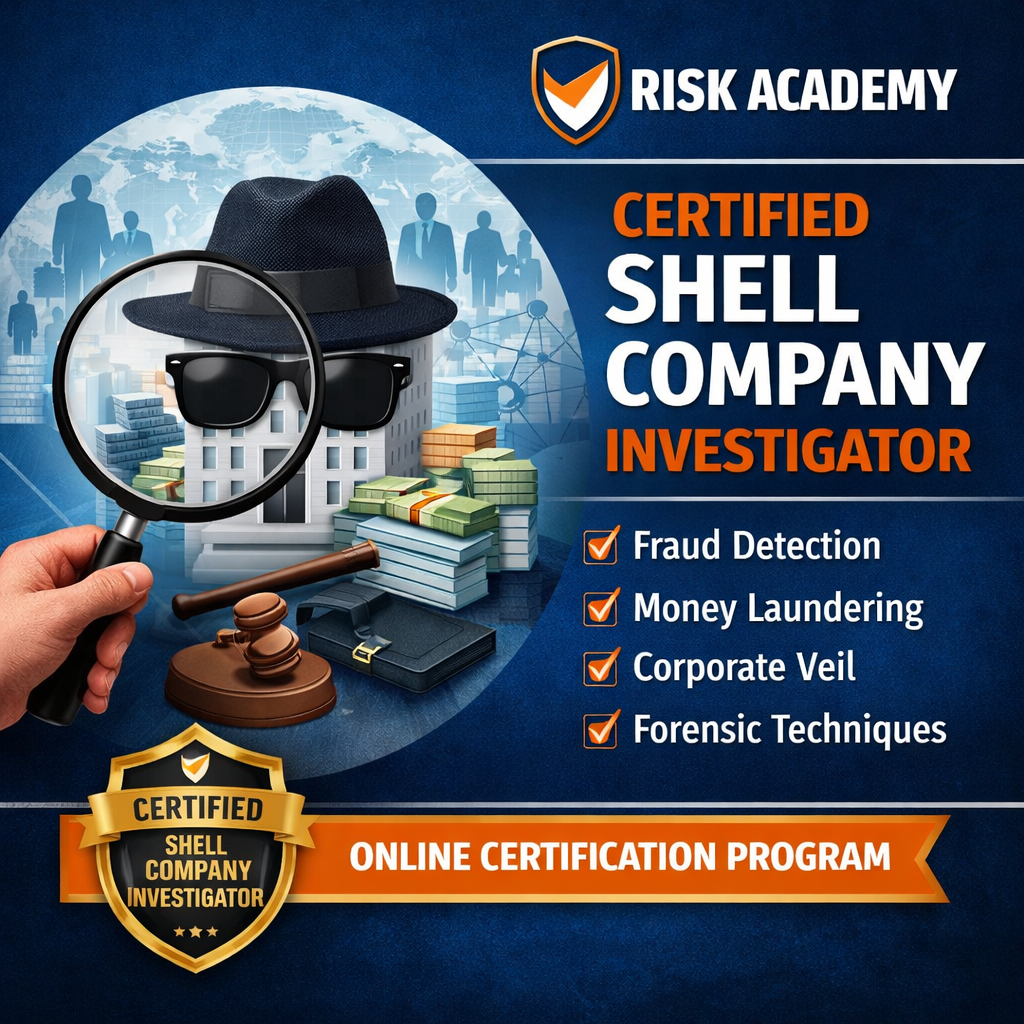

In today’s world, where financial transactions span the globe, ensuring the integrity of financial systems is of paramount importance. One key topic in the realm of financial security is Anti Money Laundering (AML) due diligence.
Understanding AML due diligence is a crucial part of the syllabus offered by the Certified Anti Money Laundering Professional course. It sheds light on the role it plays in safeguarding against financial crimes. This topic is the most important one in the preparation course questions. Many of the questions in the course are about issues related to Due Diligence in financial institutions.
What is AML Due Diligence?
Due diligence is like a security checkpoint for the financial world. Just as airports screen passengers for potential threats, financial institutions conduct due diligence to screen customers. They also screen transactions for possible risks of money laundering and terrorist financing.
Why is AML Due Diligence Required?
The world of finance isn’t just about making money; it’s also about protecting money. AML due diligence is required to prevent criminals from using financial systems to disguise their ill-gotten gains. When someone tries to use the financial system to “clean” their dirty money, it’s called money laundering. Terrorist groups also need funds to operate, and they might use financial channels to move money for their harmful activities. Due diligence helps spot these activities and puts a stop to them.
The CDD Process
Think of Customer Due Diligence (CDD) as the core of AML due diligence, kind of like getting to know your new friends before you trust them. But it’s not a one-time thing – it’s a continuous process that keeps going as long as you’re friends with your bank or financial institution. Just like you’d want to know more about your pals before you team up for a project, banks want to understand their customers well to keep the financial world safe.
Types of Due Diligences
Not everyone using the financial system has the same chance of doing bad things like hiding illegal money or helping terrorists. That’s why banks and other money-related places do different levels of checking to match how risky someone might be.
- Simplified Due Diligence (SDD): “If there’s very little chance of something bad happening, like when people are just getting simple life insurance or if they come from countries that are really good at stopping money-related problems, then we can use a simpler way to make sure everything’s okay.”
- Standard Due Diligence: This is the regular way of looking at most customers. It means we carefully check the new customer’s information to understand them better. We know there could be a small chance of something not being right, but it’s not very likely.
- Enhanced Due Diligence (EDD): When someone poses a higher risk, like politically exposed persons or businesses from risky regions, an enhanced level of due diligence is needed. This means digging deeper into their background and transactions to make sure everything is on board.
Why Learn About AML Due Diligence?
Studying AML due diligence is not only about meeting regulatory requirements; it’s about protecting the integrity of financial systems. In the Certified Anti Money Laundering Professional course, you’ll learn how to spot potential risks, follow best practices, and make sure financial transactions are clean and legitimate.
In a world where financial crimes can have far-reaching consequences, understanding AML due diligence is like learning to be a financial detective. By honing this skill, professionals can ensure that money flows smoothly through the right channels, contributing to a safer and more secure financial environment for all.